Do you own a rental property? Are you finding it challenging to keep ahead of the many maintenance issues and requests that go along with it? If so, you’re not alone. This is one element of managing a rental property that many property owners don’t realize at first: just how much maintenance goes into it.
While it can seem overwhelming at first, the key to successfully managing your rental property maintenance is breaking it down into smaller, more manageable components. At Zenith Properties, we have extensive experience with this, overseeing a rigorous year-round maintenance schedule for our clients in Clark County WA.
To help you plan and optimize your schedule, here is our recommended year-round maintenance calendar for rental properties.
Winter Property Maintenance Checklist – January through March
If you’re a landlord or property manager and you have a vacancy in the winter months, what you can do? The rental market during this time of year can be as cold as the temperatures. Don’t stress – use this as an opportunity to improve your property.
10 Winter Maintenance Tips for Landlords and Property Managers
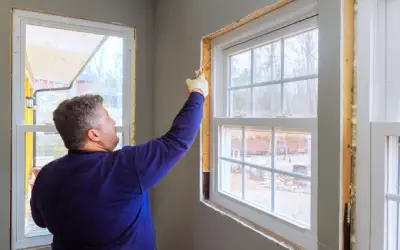
Keeping weatherstripping in good condition is an important part of rental property maintenance – and can save you money on energy costs.
Whether your property is rented or not, winter is a great opportunity to take care of lingering maintenance issues – and make key upgrades.
Insulate, insulate, insulate – If the property is under-insulated, adding more insulation will have a big impact on the comfort of the home – and save energy with better heating and cooling efficiency.
Sealing around your doors and windows – Is there a draft in here? Weatherstripping and caulking can wear down over time and cause warm air to escape. Sealing these tiny gaps will also make a big impact on heating efficiency.
Make key strategic upgrades – If your budget allows for it, invest in updated appliances. Modern HVAC and tankless water heaters are much more energy efficient.
Clean gutters and downspouts – After fall, gutters and downspouts are often clogged with leaves, which can lead to soil erosion, foundation cracks, and standing water. This attracts pests and can damage your roof.
Install a programmable or smart thermostat – Smart thermostats are fairly inexpensive and can save significantly on heating costs.
Weatherproof exterior pipes – Frozen pipes can crack and burst, causing thousands of dollars in damage. Shut off outside pipes at the mains and ensure they’re drained. Cover spigots with insulated faucet covers.
Prepare for storms – If any structural weaknesses could be worsened during a storm, fix them proactively. The same goes for old or damaged trees. It’s easier to remove a tree before a storm than to deal with the aftermath of a fallen tree.
Get your chimney cleaned – If there’s a fireplace, get it cleaned by a professional. Creosote buildup, leaves, and bird nests can create fire hazards.
Flush the water heater – Sediment can accumulate at the bottom of a water heater, creating hot spots that can damage the tank. Drain water heaters at least once a year to eliminate this buildup.
Check the roof – Give the roof a good inspection to identify loose or missing shingles. Call and schedule the service now because roofers get really busy once the weather improves.
Spring Property Maintenance Checklist – April through June
It’s been a long, cold, rainy winter. Now it’s time to give your property the attention it deserves.
Spring maintenance is important for homes. It improves its efficiency and helps decrease the need for repairs and replacement.
10 Spring Maintenance Tips for Landlords and Property Managers
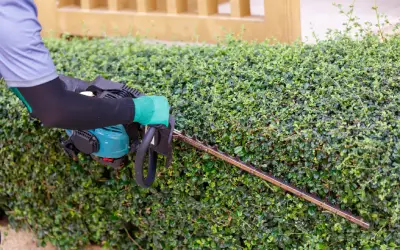
Trimming hedges in the springtime to keep them away from the property exterior can prevent wear and tear – and pest infestations!
Spring is your chance to react to wear and tear that may have happened during the winter months – and prepare for the hot and dry conditions that summer is sure to bring. Spring is also a season that pests start moving in, which can have a dramatic impact on tenant happiness, so many of these recommendations are geared toward that.
Clean the hvac system and replace filters – Make sure you have a fresh filter in place in anticipation of heavy A/C usage. Also, get a professional HVAC inspection if it’s been a year or more since the last one.
Clean or replace window screens to prevent pests – Pests don’t need much space to squeeze into a house. A gap in a window screen is like an open invitation to them.
Inspect basement or crawl space for leaks/moisture – Excess moisture can lead to pest infestations and poor indoor air quality.
Trim back shrubs that are near the home – You don’t want plants or shrubs touching the exterior of your rental property. They act as a bridge for pests to get inside.
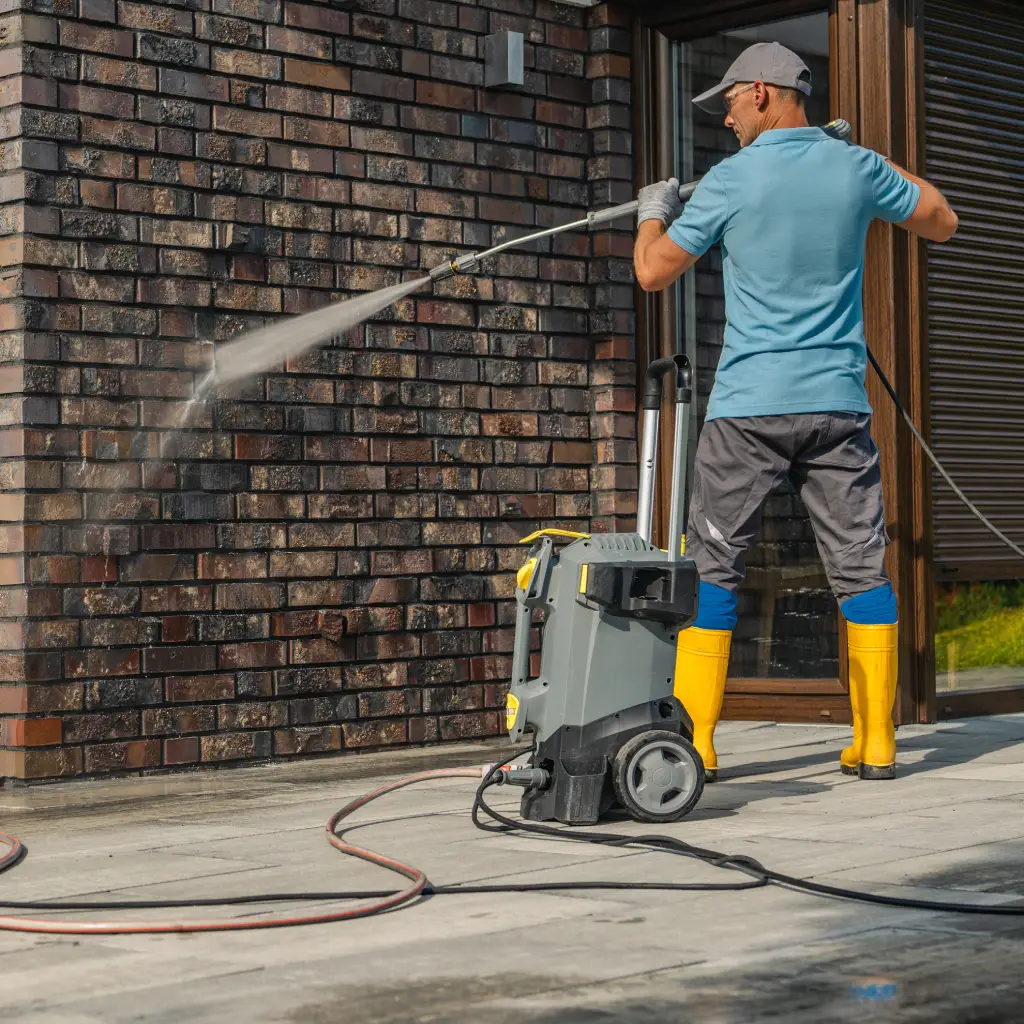
Touch up paint, stain, or wood finish. pressure wash siding and soffits, driveway, decks, and patio – These tips are designed to maximize curb appeal. After all, spring is the season when plants are in bloom and your property should look its best.
Inspect wooden railings, stairs, and decks for wood rot – These are important safety issues. Get out there while the weather is nice and make sure these areas aren’t creating a liability risk for you.
Check ceiling fan direction and stability – Many tenants don’t know that ceiling fans have a “summer setting.” Fans should rotate counter-clockwise in the summer to push cool air directly down. Switch the direction (usually a small toggle on the motor) and tighten any loose screws to eliminate wobbling or clicking that might annoy tenants during humid nights.
Service the irrigation system and test spigots: If your property has a sprinkler system, “de-winterizing” it is a vital spring task to ensure your landscaping survives the summer without wasting water. Turn on each zone to look for broken heads or underground leaks. Test outdoor spigots for “frost bursts.” If you turn on the faucet and the water pressure is low — or you hear water running inside the wall — the pipe might have froze and cracked over the winter.
Perform a thorough safety sweep: This protects you from liability and keeps your property up to code. Even if they aren’t chirping, test smoke detectors and CO2 detectors and replace batteries.
Service the sump pump and surrounding soil (if applicable) – If the property has one, this is the season it will work hardest. Pour a bucket of water into the pit to ensure the float switch triggers and the pump discharges the water away from the house.
Ask Zenith Your Questions Today
Are you ready to have your investment property professionally managed? Click below and start today!
Ask Zenith Your Questions Today
Are you ready to have your investment property professionally managed? Click below and start today!
Summer Property Maintenance Checklist – July through September
Summer is a popular time of year for tenants to move or go on vacation, making certain tasks easier to schedule and get done. Check in with your tenants to see if there’s a convenient time to take care of longstanding maintenance issues.
10 Summer Maintenance Tips for Your Home Rental
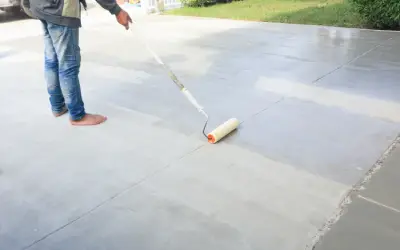
Repair the cracks in your driveway in the summertime. They’re not just unsightly – they’re also a trip-and-fall hazard that can leave you liable.
Summer is the perfect time to tackle those property tasks that are difficult to manage in the colder months. Here are ten essential maintenance tips to keep your rental property in top shape from July through September. Prioritize these tasks to ensure tenant comfort, property longevity, and compliance with safety standards.
Clean the faucet traps – Unscrew the end of the faucets, remove the screens, and clean them to remove trapped debris. Once clean, you can replace them. This will help make sure your tenants are getting adequate water pressure.
Clean the vents – The bathroom vents can become clogged with dust, impacting how they eliminate bathroom moisture. This can lead to mold growth! Then use a vacuum to clean the vents to make sure they’re working properly.
Repair cracked cement on walkways and driveways. Concrete is strong but can crack from ground movement and tree roots. Not only is a damaged walkway unsightly, but it can also cause serious accidents for which you could be liable. Make plans to have it repaired to create a safe environment for guests.
Get on a pest control plan. Warm weather brings an increase in pest activity. Ants, wasps, and other insects can quickly become a nuisance for tenants. Regular pest control inspections and treatments can keep your property pest-free and your tenants satisfied.
Vacuum refrigerator coils – In the heat of summer, refrigerators work overtime. If the property provides appliances, dust-clogged coils force the compressor to run hotter and longer, leading to mid-summer breakdowns. Pull the fridge out and vacuum the coils on the back or bottom. It’s a 10-minute job that can extend the appliance’s life by years.
Clean dryer vents (the full line) – While you’ve covered bathroom vents, the dryer vent is a major fire hazard in the dry summer months. Lint buildup restricts airflow, causing dryers to overheat. Disconnect the duct from the back of the dryer and use a brush or vacuum to clear the entire line to the exterior wall.
Wash exterior windows – The windows are the eyes of a house. Make sure yours are squeaky clean and clear – it improves tenant happiness and boosts curb appeal.
Inspect landscaping – By July, spring growth can become overgrown or dry out, creating a fire risk or blocking security lighting. Prune from the base of trees and remove dead flowers or brown patches. Ensure that no branches have grown to obstruct the view of security cameras or entry point lighting.
Check pool or water feature chemistry – If your property has a pool, fountain, or even a shared hot tub, summer evaporation and heat drastically change the chemical balance and water levels. Verify that the filtration system is running the proper amount of hours for the heat and check for “scale” buildup or algae growth caused by high UV exposure.
Inspect window wells – After the winter snow melts and spring rains hit, debris often piles up against the lower entry points of a home. Clear out leaves, dirt, and “gunk” from window wells and ensure the drains at the bottom aren’t clogged.
Fall Property Maintenance Checklist – October through December
The period between October and December is critical for preserving your investment property. As temperatures drop and the weather becomes more unpredictable, proactive maintenance prevents small issues from escalating into expensive, winter-related emergencies (like burst pipes or catastrophic electrical failures).
10 Fall Maintenance Tips for Your Home Rental
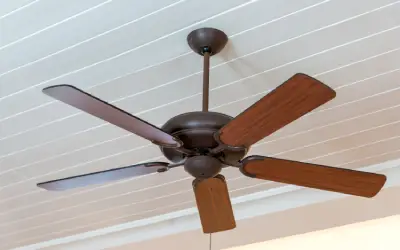
It’s a small adjustment, but reversing ceiling fans in the wintertime can have a big impact on tenant comfort and energy efficiency.
This checklist focuses on mitigating risks associated with freezing temperatures, heavy precipitation, and the shorter days of late fall and early winter. Following these steps ensures tenant safety, prevents costly insurance claims, and minimizes emergency service calls during the holidays.
Drain and blow out irrigation systems – In many climates, simply turning off the water isn’t enough. Standing water in underground pipes can freeze, expand, and shatter the lines. Hire a professional to “blow out” the lines with compressed air.
Shut off interior water valves to exterior lines – If your property has dedicated shut-off valves for outdoor spigots located inside the basement or utility closet, now is the time to close them. Close the valve and then open the exterior spigot to drain any remaining water. This creates an “air gap” that makes a burst pipe virtually impossible.
Reverse ceiling fans (clockwise) – This is the opposite of your spring task. Switch the fan direction to clockwise. This creates an updraft that pushes the warm air trapped at the ceiling back down into the living space, reducing heating costs for your tenant.
Service the furnace or boiler – You cleaned the A/C in the spring; now it’s time for the heat. Have an HVAC tech perform a furnace tune-up. Check that the heat exchanger isn’t cracked and that the igniter won’t fail on the coldest night of the year.
Check exterior lighting and timers – With the days getting shorter, tenants will be arriving home in the dark more often. Replace burnt-out bulbs in motion sensors and entry lights. If you have timers for common area lighting, adjust them for the earlier sunset to ensure the property is well-lit for safety and security.
Prune “heavy” tree limbs – In the fall, you need to look for branches that might break under the weight of heavy ice or snow. Identify and trim limbs that overhand the roof, power lines, or tenant parking spots. This prevents insurance claims when a branch snaps in December.
Clean and store summer amenities – If you provide patio furniture, grills, or seasonal equipment, leaving them out in the winter leads to rust and rapid deterioration. Pressure wash and store outdoor furniture in a shed or basement, or at the very least, secure high-quality waterproof covers.
Inspect the “service drop” and utility entrances – Ice storms and heavy winter winds put immense strain on the point where power and communication lines attach to the house. Check the “weatherhead” (where the power line meets the house conduit) to ensure it isn’t pulling away from the siding. Look for any frayed wires or gaps in the conduit seal.
Look for potential rodent entry points – In the fall, as the temperature drops, mice and rats are actively looking for a way in. They only need a hole the size of a dime. Check where the siding meets the foundation and where pipes (AC lines, gas lines) enter the house. Shove stainless steel wool or copper mesh into any gaps before sealing them with spray foam. Unlike foam alone, rodents won’t chew through the metal mesh.
Do a handrail “stress test” – Wood and metal contract in the cold. A handrail that felt sturdy in July might wiggle in October. With ice and wet leaves coming, a loose railing is a guaranteed slip-and-fall lawsuit. Give every exterior railing a “shake test” and tighten the lag bolts or masonry anchors.
What are a landlord's legal requirements when it comes to maintenance in Washington state?
The Landlord-Tenant Act governs what is required of landlords in Washington state. In basic terms, the law requires landlords to keep the premises “fit for human habitation” and comply with all state and local housing codes.
Landlords are legally required to maintain the following aspects of a rental property:
Structural Integrity: Keeping roofs, floors, walls, chimneys, and foundations in good repair.
Essential Services: Providing adequate facilities for heat, water, and hot water.
Safety and Security: Providing working locks and keys, and ensuring common areas are safe, clean, and free of fire hazards.
Systems and Appliances: Maintaining all electrical, plumbing, heating, and landlord-supplied appliances (like refrigerators and stoves) in good working order.
Pest Control: Providing a program for controlling insects, rodents, and other pests at the start of a tenancy (and continuing this duty in multi-family units).
Weatherproofing: Ensuring the unit is weather-tight (sealed against rain and wind).
When is maintenance the landlord's responsibility, and when is it the tenant responsibility?
Typically, tenants are only required to pay for repairs that are a direct result of their misuse. If something broke while they were engaged in quiet enjoyment of their property, the landlord is responsible for repairing it.
Tenants are responsible for:
Tenant Damage: Landlords do not have to repair conditions caused by the tenant, their family, or guests.
Normal Wear and Tear: While landlords must maintain the unit, they aren’t required to fix purely cosmetic issues unless they impact habitability or safety.
Tenant Duties: Tenants are responsible for keeping the unit clean, disposing of garbage, and (usually) replacing smoke detector batteries.
This can sometimes be a gray area, which can lead to confusion, conflict, and even legal contests, which is a hassle for everyone involved.
When you hire Zenith Properties to manage your rental property, we stay ahead of maintenance issues by following our seasonal maintenance calendar. We also establish clear guidelines and regulations with the tenant so there’s no confusion later on.
How do you ensure that the tenant pays for repairs and maintenance they're responsible for?
Here are some key details on how we handle maintenance and repairs with tenants:
Carpets and paint are assumed to have a 7-year lifespan, and tenants are erquired to have carpets cleaned and shampooed professionally at the end of their lease.
To ensure tenants understand what to expect, we provide checklists to verify the “move-in” condition of their unit. Damage is always paid for by the tenant during move-out.
We work to keep costs down by educating tenants about the necessary steps to minimize any possible damage.
Whenever it is legal, possible, and safe, we walk tenants through small issues to solve on their own.
How does Zenith Properties NW handle emergency repairs and maintenance?
We want you to have peace of mind that your properties are being well cared for, while avoiding frantic late-night phone calls and the hassle of navigating difficult repair problems with contractors and tenants.
How quickly must a landlord resolve maintenance and repair issues?
Washington law is very specific about how quickly a landlord must begin repairs after receiving written notice from the tenant:
Repair Category
Deadline to Start
Examples
Emergency
24 Hours
No heat, no water, no electricity, or life-threatening hazards.
Major Functions
72 Hours
Broken refrigerator, oven, or major plumbing fixtures.
General Repairs
10 Days
All other repairs required by law (e.g., minor leaks, broken windows).